Last Sunday you drove through a neighborhood where every other house had a different NFL flag flying. Some looked sharp — crisp colors, right proportion, snapping in the breeze. Others were faded, drooping off undersized poles, or showing reversed logos because someone bought a single-sided print and hung it facing the wrong direction. The difference between those two displays is not how much someone spent. It is whether they made three or four smart choices before clicking "add to cart."
This guide covers the actual decisions that matter when buying NFL flags: which type fits your display space, how to tell licensed from counterfeit, what materials survive a full season outside, and where to get the best price without sacrificing quality. No filler — just the choices that separate a flag that looks good in January from one that fell apart by October.
NFL Flag Types — Matching the Flag to Where You'll Actually Use It
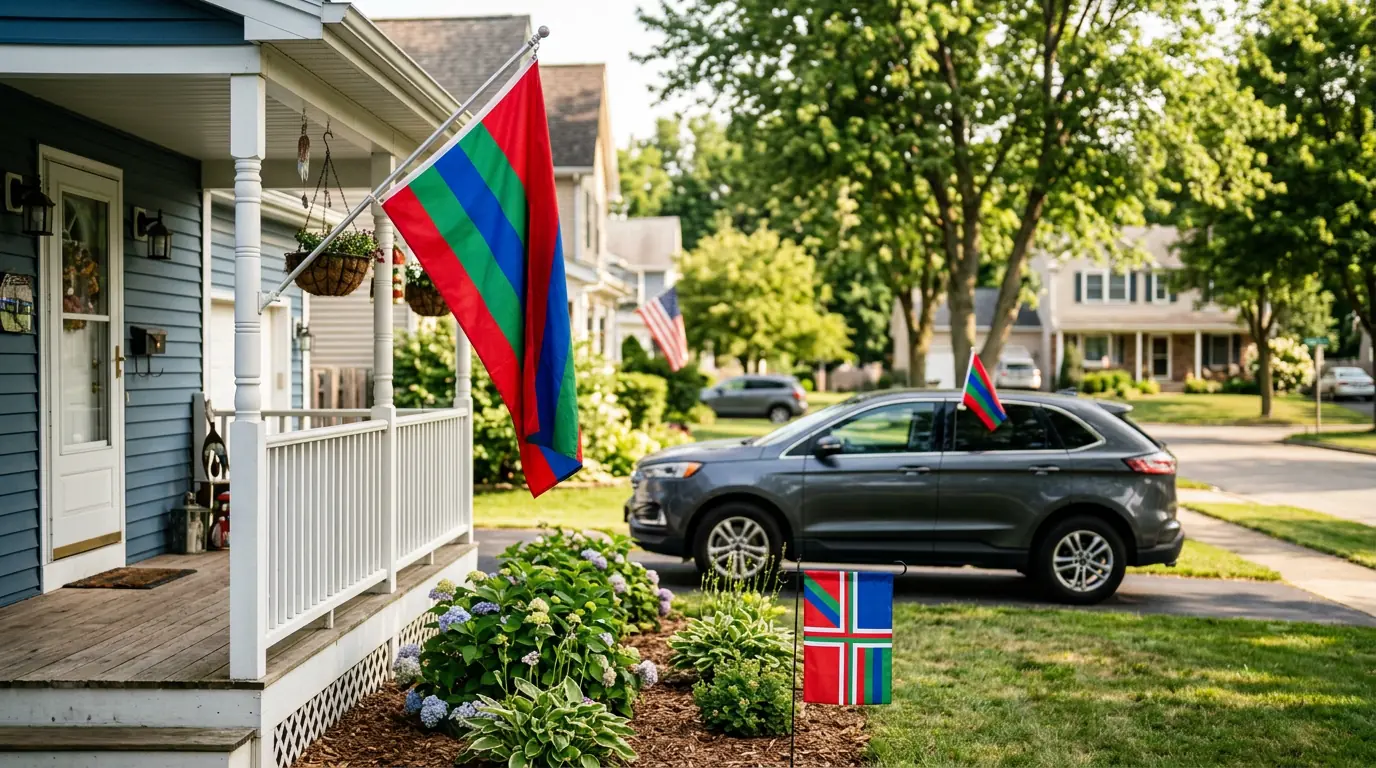
A 3x5 house flag on a porch pole and a 12.5x18-inch garden flag in a flower bed serve completely different purposes, even though they both show your team logo. The flag type you pick should start with where you plan to display it — not which design catches your eye first.
House flags (3x5 ft) are what most fans default to. They fit standard residential poles, mount with two brass flag grommets for outdoor durability, and run $24.99 to $49.00 depending on the brand. WinCraft Deluxe and Flagpro are the main licensed options. If you have a corner lot or a tall pole, the 4x6 ft version gives you 44% more display area. That matters when someone needs to see your colors from 50+ feet away.
Garden flags (12.5x18 in) are the cheapest entry point at $12.99 to $19.99. They work for apartments, porches, and balconies where a full house flag would overwhelm the space. Pay attention to single-sided versus double-sided printing. Budget versions print on one side only, and the back shows a reversed image. It looks cheap.
Car flags clip onto your window and cost $9.99 to $15.99. Fremont Die and Rico Industries make most of the licensed versions. A custom table and car flag manufacturer can also produce branded versions for dealerships and events. They are gameday items — popular on Sundays but not something you leave on during highway driving.
Banners (28x40 in) hang vertically and work best indoors. Man caves, sports bars, media rooms. For larger format options, a wholesale large format banner printing service handles custom sizes beyond standard retail. They often feature applique or embroidered logos instead of printed ones, which gives them a higher-end look. Expect $24.99 to $39.99.
Pennants are the classic triangular felt pieces for wall collections. Wool-blend felt, $12.99 to $24.99, great if you collect across multiple teams. Windsocks are novelty items shaped like team helmets with streaming tails, $19.99 to $34.99 from BSI Products.
The real decision is indoor versus outdoor. If you are hanging something in a climate-controlled room, a banner or pennant will last years. But if you need a flag that survives rain, wind, and UV for a full NFL season, stick with a house flag in the right material — which we cover below.
Official Licensing vs. Knock-offs — Why It Matters for NFL Flags
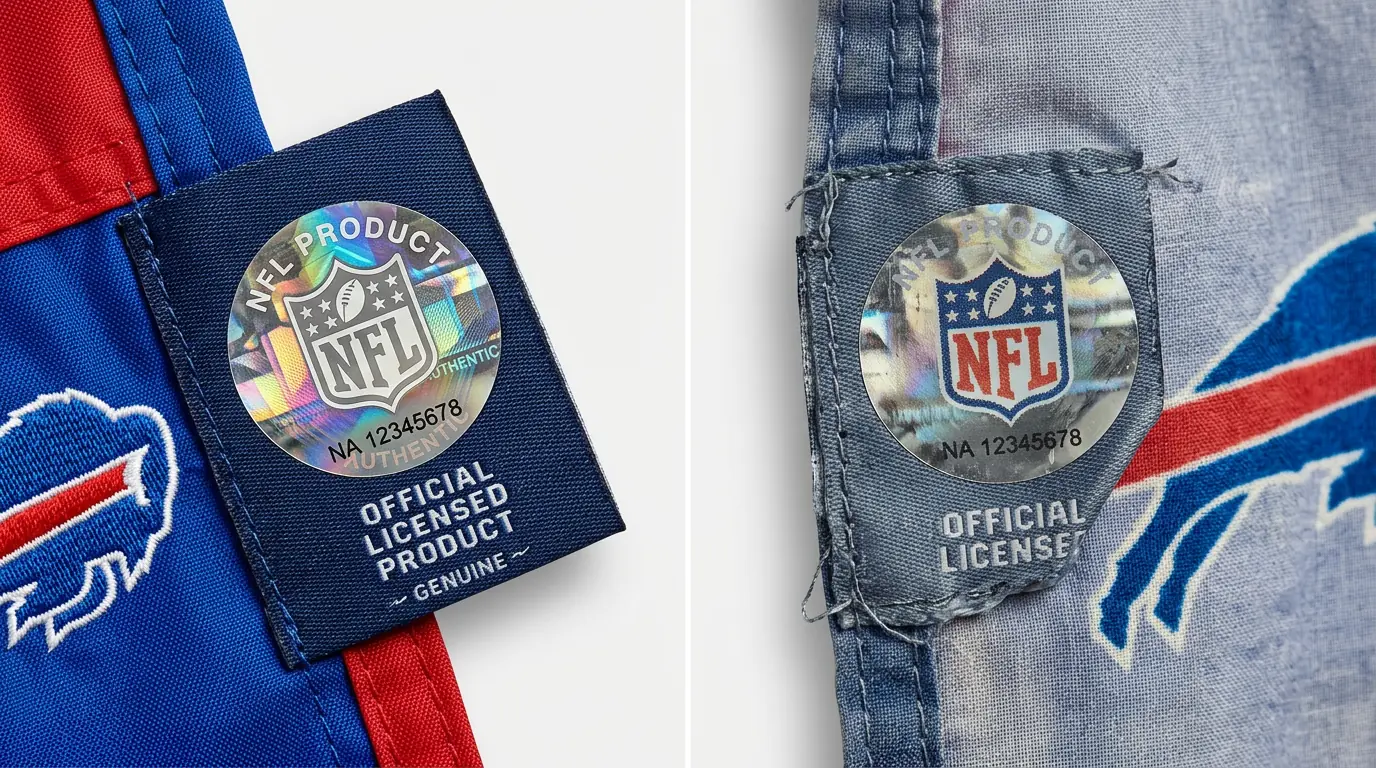
I bought a cheap NFL flag from an Amazon marketplace seller once. The Eagles green was wrong — more lime than midnight. The logo edges were blurry. No hologram tag, no packaging branding. It lasted about six weeks outside before the colors washed out. That $12 savings cost me a second purchase.
Genuine NFL flags carry serialized hologram stickers with unique codes. The holograms use two-letter prefixes like "TC" or "CB" followed by serial numbers, and you can verify them through official team databases. If your flag does not have the NFL shield hologram, it is not licensed.
Spotting counterfeits is straightforward if you know what to check. Color accuracy is the biggest giveaway. Philadelphia Eagles midnight green and Jacksonville Jaguars teal/gold are notoriously hard to match — cheap dyes miss these Pantone-specific shades by a visible margin. Blurry logo edges, wrong font weight on team wordmarks, and generic poly-bag packaging without branding are all red flags. And any 3x5 house flag priced below $15-18 retail is almost certainly unlicensed.
Why does licensed matter beyond just quality? Three reasons. First, licensed products guarantee current-season logos. Teams update wordmarks periodically, and counterfeits often carry outdated designs. Second, color matching follows official Pantone specifications from team brand guidelines — so your flag matches your jersey, your hat, and every other piece of gear. Third, licensed flags carry a manufacturer warranty. Counterfeits offer no recourse.
The licensing economics explain the price floor. NFL licensees like WinCraft, Rico Industries, and Fremont Die pay 12-15% royalties on wholesale price, carry $6 million in commercial insurance, and put up a $100,000 minimum prepaid royalty guarantee. That overhead is real, and it is baked into the retail price. But if your situation is "I just need something for one tailgate party," a budget option might be acceptable — just know what you are trading away.
Size Selection Guide — Matching Flag Scale to Your Display Space
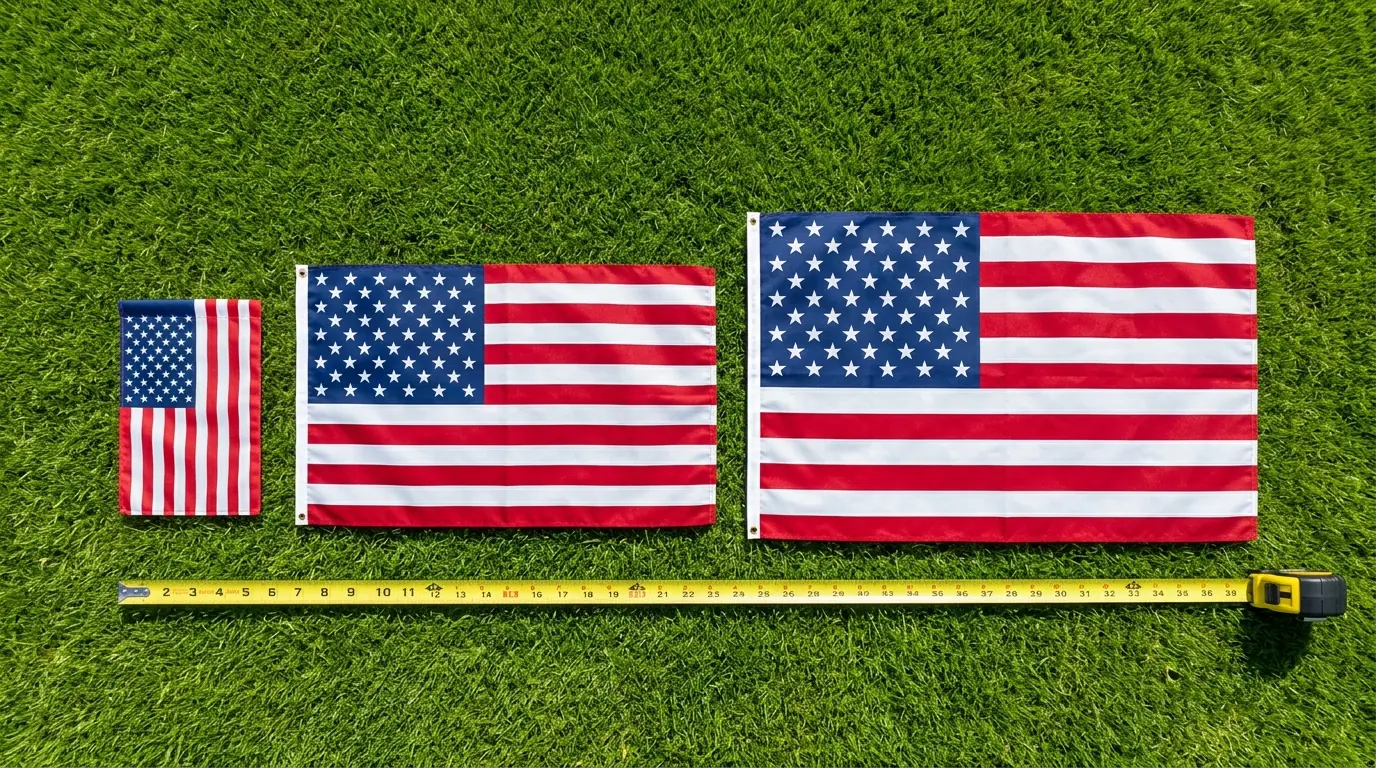
Most people grab a 3x5 flag because it is the standard. That works for about 90% of cases, but the other 10% end up with a flag that looks either lost on a big wall or cramped on a small balcony.
Start with your viewing distance. A 12.5x18-inch garden flag is effective up to 30 feet — fine for a porch railing or apartment balcony. A 3x5 house flag reads well from 50 to 100 feet, which covers most residential front yards. If you have a large property or a corner lot where neighbors pass at 100+ feet, the 4x6 is worth the upgrade.
For tailgating, the flag itself matters less than the pole height. A 3x5 flag on a 20-foot telescoping pole clears truck and SUV rooflines at 6-7 feet and stays visible across a packed parking lot. Go shorter than 20 feet and your flag disappears behind vehicles. Go taller than 28 feet and setup becomes a two-person job.
Indoor display is a different calculation. A 28x40-inch banner dominates a wall section without requiring pole hardware. For sports bars running multiple team displays, this size lines up well across divisions. If you have a dedicated room with 9+ foot ceilings, the 36x48-inch premium format makes more visual impact.
Here is the sizing breakdown I recommend:
| Display Space | Recommended Size | Viewing Distance | Price Range |
|---|---|---|---|
| Apartment/Balcony | 12.5x18 in (garden) or 2x3 ft | 10-30 ft | $12.99-$24.99 |
| Standard Home | 3x5 ft | 50-100 ft | $24.99-$39.99 |
| Large Property | 4x6 ft | 100-200 ft | $34.99-$54.99 |
| Tailgate | 3x5 ft + 20 ft pole | 200+ ft | $24.99-$39.99 (flag only) |
| Man Cave/Bar | 28x40 in banner | 5-15 ft | $24.99-$39.99 |
One thing people miss: the flag-to-pole ratio. Your flag should fill 60-80% of the pole's visible span. A small flag on a tall pole looks odd. Match them properly and the display looks intentional, not afterthought.
Materials and Durability — What Survives a Full NFL Season Outdoors
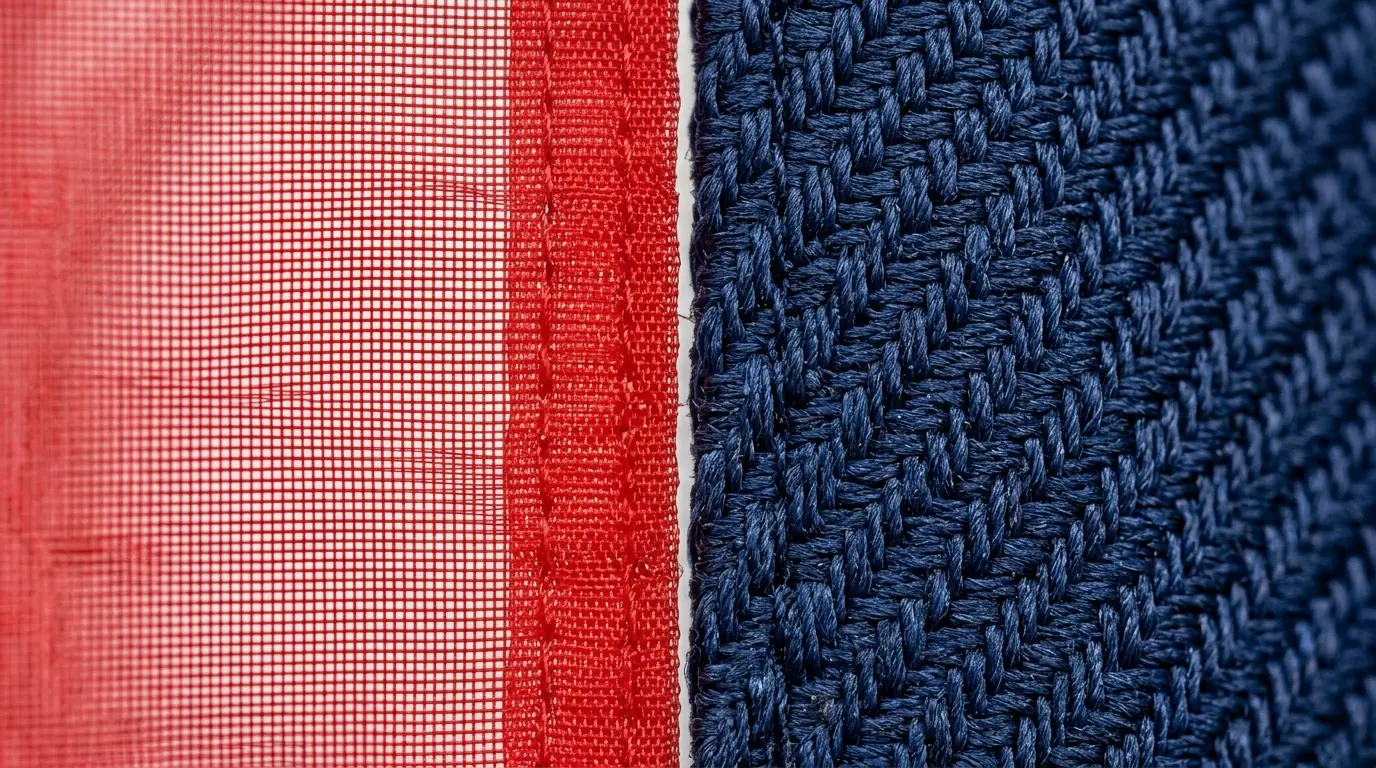
The September kickoff flag that looked sharp on week one is often faded and frayed by the Super Bowl. Material choice is the difference between replacing your flag every season and getting two or three years out of it.
Nylon is the go-to for most residential NFL flag buyers. It is lighter, dries fast after rain, and flies in the slightest breeze. Premium nylon (brands like Nyl-Glo and Durawavez) comes with UV-resistant SolarGuard treatment and a 1-year ColorFast guarantee. It handles moderate climates well and looks great on a porch pole. The downside: sustained high winds shred nylon. If you live somewhere that gets 30+ mph gusts on a regular basis, nylon is the wrong pick.
Polyester (2-ply, 4+ oz per square yard) is the heavy-duty option. Brands like Tough-Tex and Poly-Max build these for 24/7 outdoor display in harsh conditions — coastal areas, high-wind zones, places where a flag takes constant abuse. They outlast nylon by about a full season on average (2-3 seasons vs. 1-2 seasons). The tradeoff is weight. Polyester flags are heavier, they need more wind to fly properly, and they cost 15-25% more than comparable nylon.
The decision tree is simple. If you bring your flag in during storms and fly it in moderate wind, go nylon. If the flag stays out 24/7 in a high-wind or coastal area, invest in 2-ply polyester.
You can compare flag materials for your custom order on our materials page for a deeper breakdown. Color retention matters more than people realize for NFL flags. Teams like the Eagles and Jaguars use specific Pantone shades that cheap dyes cannot replicate. Sublimation printing (dye-sub) bonds color into the fabric fibers, producing more durable results than screen printing — especially for multi-color designs with gradients. Budget flags that use screen printing on lightweight polyester (under 4 oz) will fade specialty colors within one outdoor season. You get what you pay for on this one.
Where to Buy NFL Flags — Price Comparison and Retailer Review
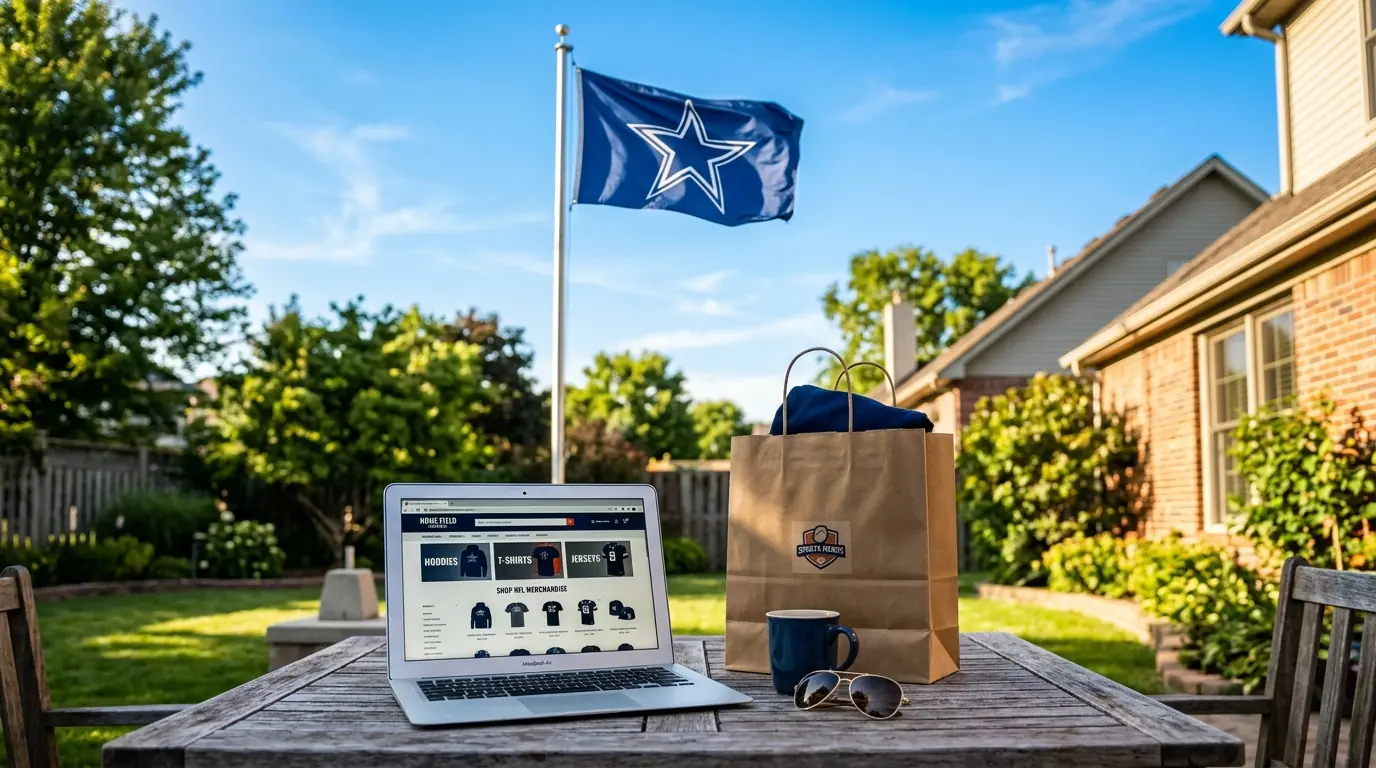
NFL Shop (NFLShop.com) has the widest selection — all 32 teams in every format from garden flags to full-size banners. Garden and car flags start at $12.99. House flags run $24.99 and up. They run 20-30% promotions during the Draft, Playoffs, and Super Bowl week. The downside is their free shipping threshold tends to sit at $49-99 depending on the promotion.
Specialty flag retailers often beat NFL Shop on price by 10-15% without sacrificing licensed quality. Flags Unlimited (usflags.com) carries officially licensed NFL flags for all 32 teams in durable polyester. Heartland Flags (heartlandflags.com) offers free shipping on every order with no minimum — which saves you from padding a cart to hit a threshold. Flag Store USA, Liberty Flag, and College Flags & Banners are also competitive on standard 3x5 licensed flags.
Big-box stores like DICK'S Sporting Goods offer same-day in-store pickup, which helps if your gameday deadline is tomorrow. The Home Depot carries NFL flags in their outdoor seasonal section. Scheels stocks pennants and indoor/outdoor options. Selection is more limited than online, but you avoid shipping wait times.
Amazon is the wildcard. The selection is massive, but licensed and unlicensed products sit side by side. Always verify "officially licensed" in the listing and check for the manufacturer name — WinCraft, Rico Industries, or Fremont Die. If the seller is a no-name marketplace operation, skip it. Walmart.com carries WinCraft and Rico licensed flags with free shipping over $35.
For the best deal, I would stack strategies: buy during a promotional period (NFL Draft week in April or season kickoff in September), combine multiple items to hit free shipping, and sign up for a retailer email list for a 10-15% first-order code. The savings add up fast when you are buying flags for multiple rooms or vehicles.
Custom NFL-Style Flags — When Licensed Isn't Enough
Standard licensed flags cover most fans. But if you want a fantasy league championship flag, a personalized player tribute, or a sports bar display with custom text zones, licensed products will not get you there.
Custom NFL-style flags start at $50 for a basic 3x5 and run up to $150 for complex designs. Volume orders of 10+ flags drop the per-unit cost by 25-40%, which makes this practical for fantasy leagues or bar owners. Standard turnaround is 2-3 weeks. Rush production adds 30-50% to the base price. Providers like Acucut, BuildASign, and Vispronet can match exact Pantone team colors on polyester or nylon without using trademarked elements.
Here is where most people get tripped up: the legal boundaries. You can use team colors, city names, generic football imagery, jersey numbers, and original slogans. You cannot use the NFL shield logo, official team logos, team names (Cowboys, Patriots, etc.), trademarked phrases ("Who Dat?", "Terrible Towel"), or helmet designs. The NFL enforces these trademarks aggressively — cease-and-desist letters, lawsuits, fines, and profit surrender — even against small Etsy sellers. A disclaimer saying "Not affiliated with NFL" does not protect you.
The smartest approach for custom flags is to lean into city identity rather than team identity. "Kansas City" is fair game. "Chiefs" is not. Original fan artwork with team-color backgrounds, family names, and fantasy league records all fall on the safe side. If you want something that uses actual team branding, commission it from a licensed custom shop that already holds an NFL agreement — they have already paid the $100,000 minimum royalty guarantee and carry the required $6M/$12M insurance coverage.
For bulk custom orders — say, a sports bar ordering 15-20 zone flags — the math works out well. Getting a custom sports flag manufacturer for teams and leagues to handle the full run keeps costs down and quality consistent.
Flagpole Buying Guide for NFL Home Display
You picked the right flag. Now it needs a pole that does not look like an afterthought.
Wall-mount poles (5-6 ft) are the most common residential setup. Aluminum construction, rust-resistant powder coating, 45-degree tilt bracket for angled street-facing display. They fit 3x5 house flags via grommets or sleeve and install with 2-3 lag bolts into studs. Price: $25-60 for the pole and bracket kit. If you rent and cannot drill into your facade, skip this and go telescoping.
Freestanding in-ground poles (20-25 ft) are permanent installations. The most common residential height is 20 feet. Setup requires a 28-inch deep ground sleeve cemented in place — this is a weekend project, not a quick install. You will also need a durable flag rope and halyard for flagpoles to raise and lower your flag. Factor in $150-400 for the pole, $50-100 for the ground sleeve kit, and $200-400 for professional installation if you do not want to pour concrete yourself. But once it is in, an anti-wrap swivel mechanism keeps your flag flying clean in shifting winds, and a halyard rope system lets you raise and lower without climbing anything.
Telescoping poles (16-28 ft) split the difference. They collapse to 5-6 feet for storage, extend to full height for display, and weigh 3-8 pounds. A 20-foot telescoping pole is the sweet spot — tall enough to clear vehicle rooflines for tailgating, portable enough to carry in a truck bed. Price range is $80-200. If you need a telescoping flag pole kit for outdoor display, this format handles both home and tailgate use.
One feature most buyers overlook: the anti-wrap swivel. Without it, your flag wraps around the pole every time the wind shifts direction. Freestanding and telescoping poles should both include one. Also consider the finial — the decorative cap on top. Gold ball is standard. Eagle and ball ornament flag pole caps are popular if you fly an American flag alongside your NFL flag.
Pole height and flag size need to match. A 3x5 flag belongs on a 15-20 foot pole. A 4x6 flag needs at least 20 feet. Mount a big flag on a short pole and it looks crowded. Match the ratio and the whole setup looks purposeful.
Your Next Move
Three decisions will determine whether your NFL flag still looks good by playoff time. First, match the flag type to your display location — house flags for outdoor poles, banners for walls, garden flags for small spaces. Second, buy licensed. The hologram tag, the correct Pantone colors, and the manufacturer warranty are worth the $10-15 premium over counterfeits that fade in weeks. Third, pick your material based on exposure: nylon for moderate conditions, 2-ply polyester if the flag stays out 24/7.
Start with your display space. Measure it, figure out your viewing distance, and then the right flag size practically chooses itself. Check the custom flag manufacturing process from design to delivery if you want something beyond a standard team flag. And if you are buying during the NFL Draft or season kickoff, stack a promotional discount with a retailer email signup code — you will save 25-35% on the same licensed product.
Your flag should still look game-ready when your team plays its last snap of the season.